
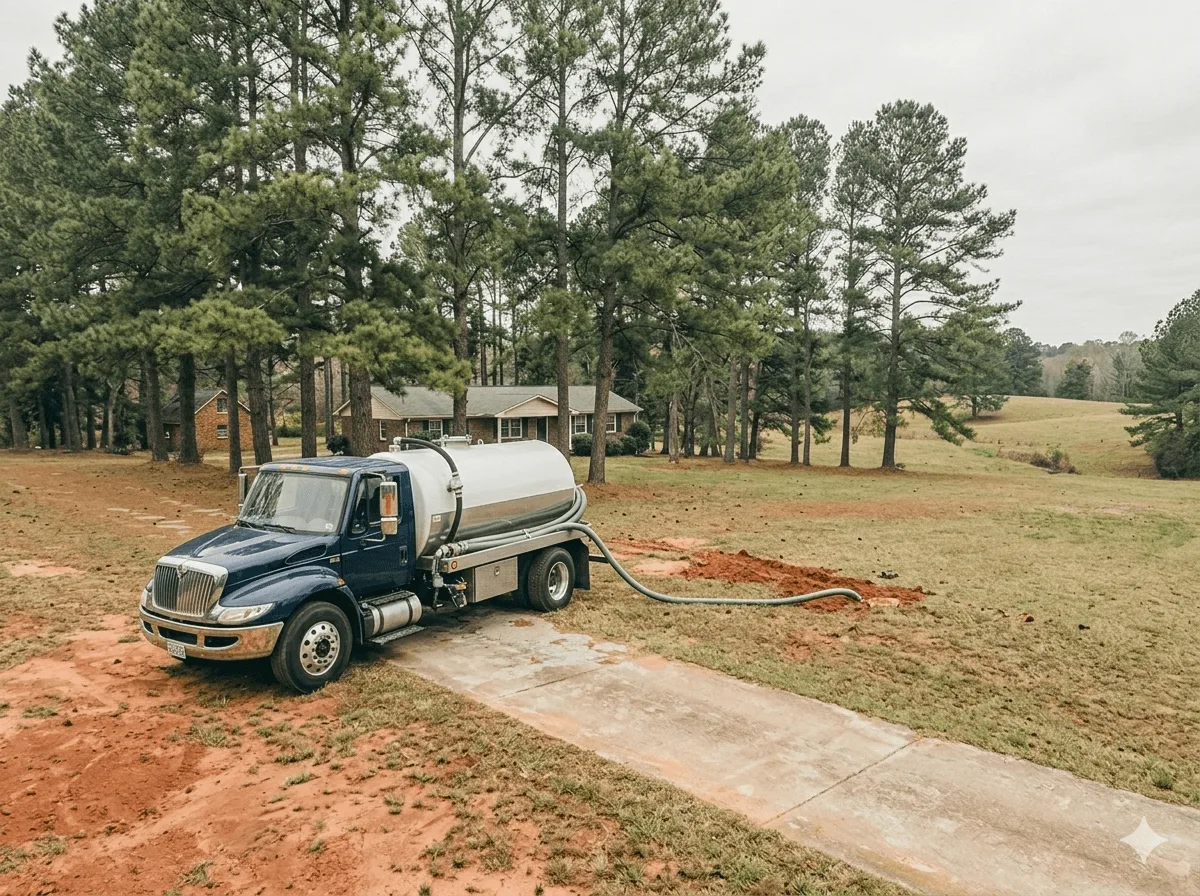
Septic Tank Pumping
Regular pumping removes accumulated solids before they overflow and damage your drain field — the most expensive repair in septic systems.
Whether your tank is backing up tonight or you haven't had it pumped in years, Eastman Septic delivers reliable septic service throughout Dodge County — pumping, repair, drain field work, and inspections built for red-clay soil conditions.
Standard septic pumping in Eastman and Dodge County typically costs $300–$550 for residential tanks, depending on size and access. Red clay soil conditions in this area affect drainage rates and can accelerate drain field stress, making regular maintenance especially important. Service requests in Dodge County are reviewed within 24 hours.
Whether you're dealing with a sewage backup tonight or planning ahead for a home sale, our team provides the service you need with pricing you understand before we start work.
Regular pumping removes accumulated solids before they overflow and damage your drain field — the most expensive repair in septic systems.
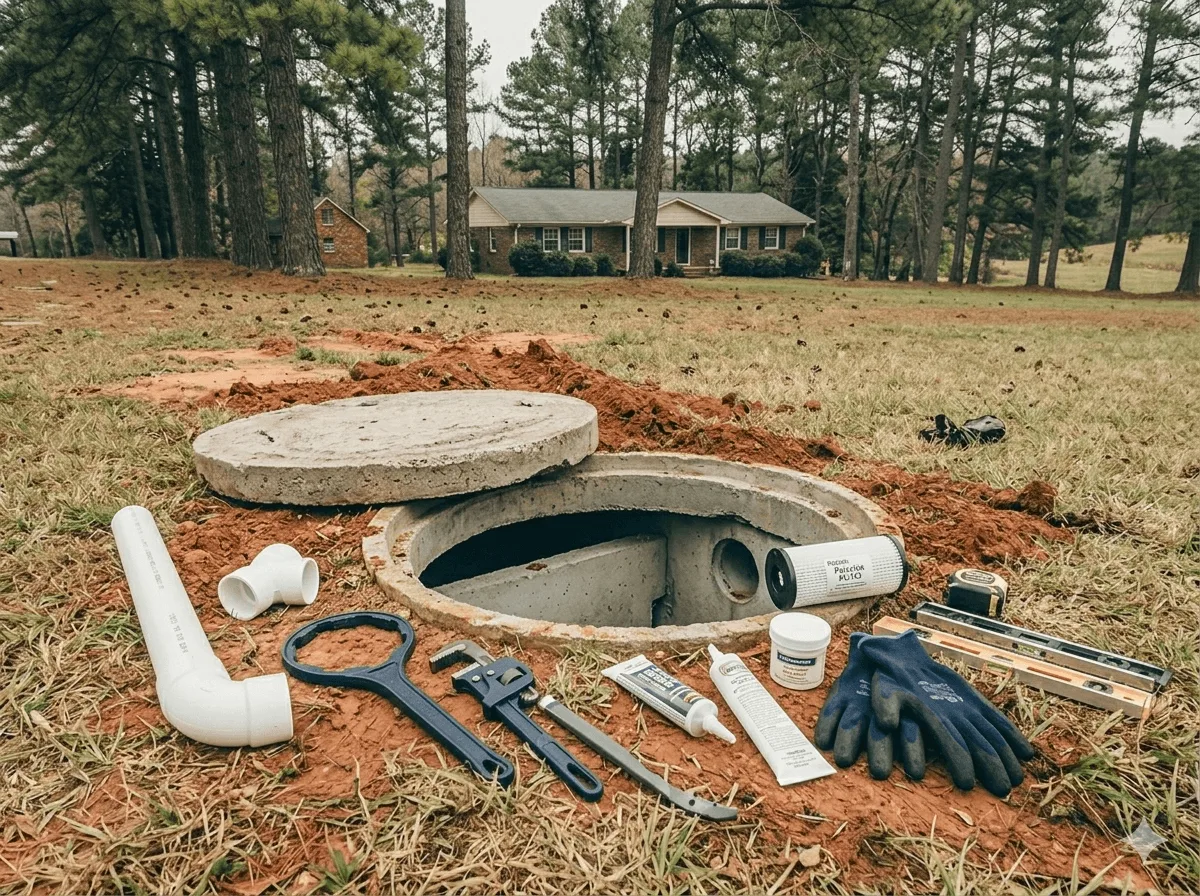
From baffles and lids to cracked concrete and damaged inlet/outlet lines — we diagnose the root cause and fix it properly the first time.
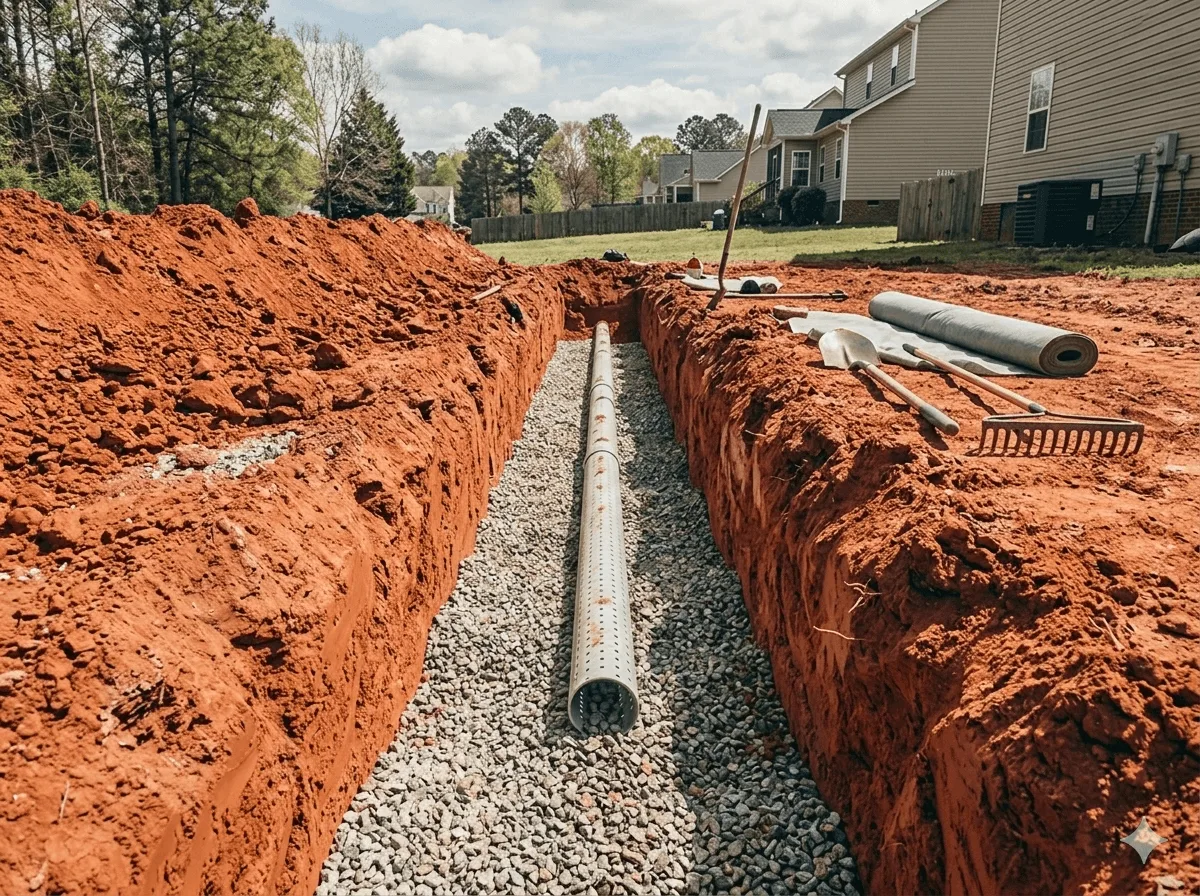
Standing water above your field lines or slow absorption throughout your home often points to field issues — we identify the problem and explain your options.
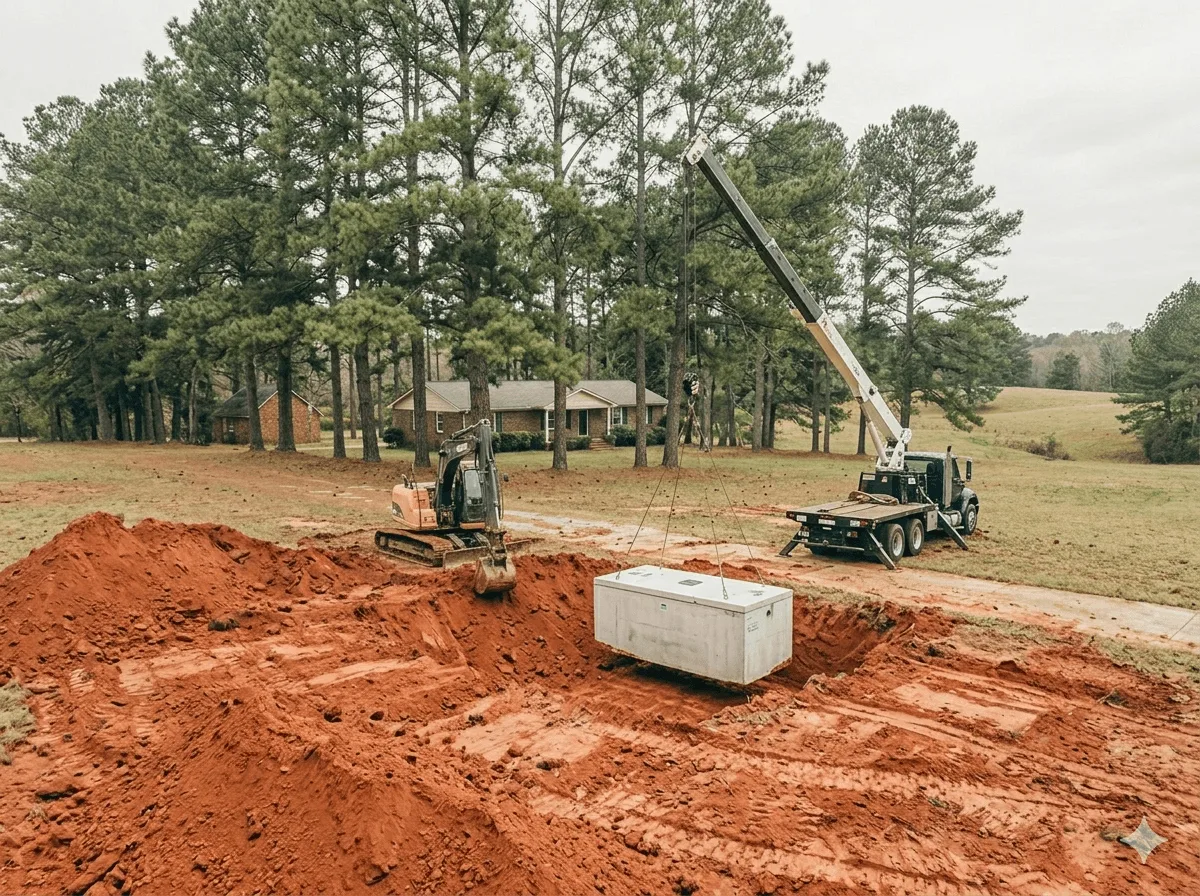
New system design, permitting guidance, and installation planning for properties that need a fresh start — built for Middle Georgia's soil conditions.
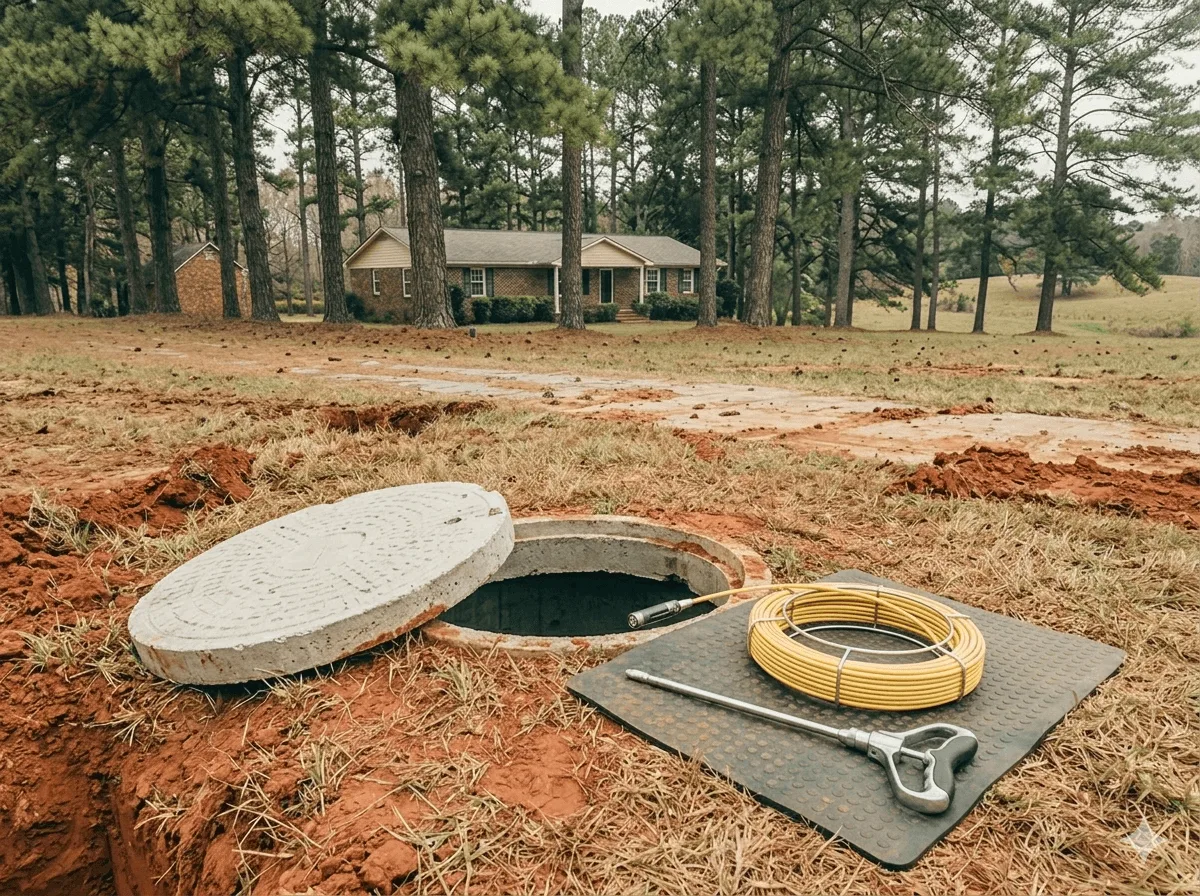
Detailed assessments for home sales, refinancing, or proactive maintenance — written reports you can use with county offices and lenders.
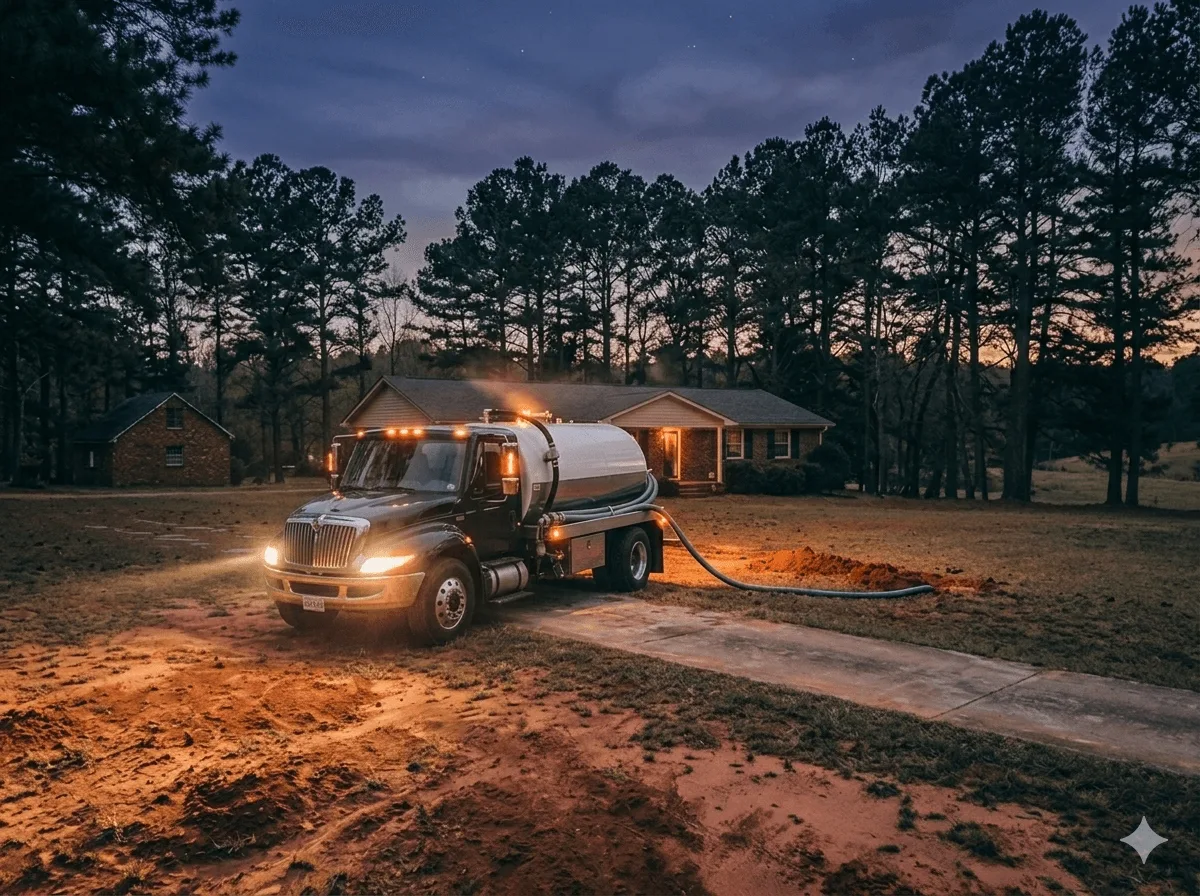
Backing up sewage, strong odors, or a failed system doesn't wait — submit a request and our team responds fast to protect your property.
No call centers, no dispatch delays — qualified professionals throughout Dodge County connect homeowners with reliable service providers in Eastman, Chauncey, Chester, and the surrounding rural areas.
Red clay, variable absorption rates, older concrete tanks — these are everyday conditions here, not special cases. Our work is tailored to what your property actually needs.
You'll receive a clear quote before any work begins — what we quote is what you pay, with no add-ons that weren't discussed upfront.
Once symptoms appear — standing water, slow drains, odors — problems escalate fast in clay soil. Submit a request and we follow up quickly.
Understanding which septic system type your property uses affects service intervals, repair approach, and replacement costs. Eastman Septic works with all common system types found on Dodge County residential properties.
Concrete septic tanks are the most common type found on older Dodge County properties. They are durable and long-lasting but can develop cracks, allow root intrusion, and corrode at baffles over time. Most residential pumping and repair calls in Eastman involve concrete tank systems built before 2000.
An aerobic septic system uses an air pump to inject oxygen into the waste treatment process, producing a cleaner effluent than a conventional gravity system. These systems are more common on properties with limited drain field space or poor soil absorption. They require more frequent maintenance — typically annual — compared to conventional systems.
A mound septic system is installed above ground level when native soil has poor drainage or is too shallow above bedrock or the water table. Mound systems are used in Dodge County on lots where standard field trenches cannot be permitted. They require a pump to distribute effluent and careful monitoring for saturation around the mound base.
A gravity septic system uses natural slope to move effluent from the tank to the drain field without a pump. Most rural Dodge County lots with adequate grade use gravity systems as the standard installation. These systems are straightforward to maintain and service when pumping schedules are followed.
A pressure-dosed septic system uses a pump to distribute effluent in controlled doses across the drain field rather than releasing it continuously. This approach is used when the field needs more even loading — common on lots with tighter soil conditions. Pressure systems require pump maintenance in addition to routine tank pumping.
Your property's septic behavior is shaped by local soil conditions, rainfall patterns, and the age of your system. We understand these variables because we work on them daily — and we'll explain exactly what we find, what your options are, and what each one costs.
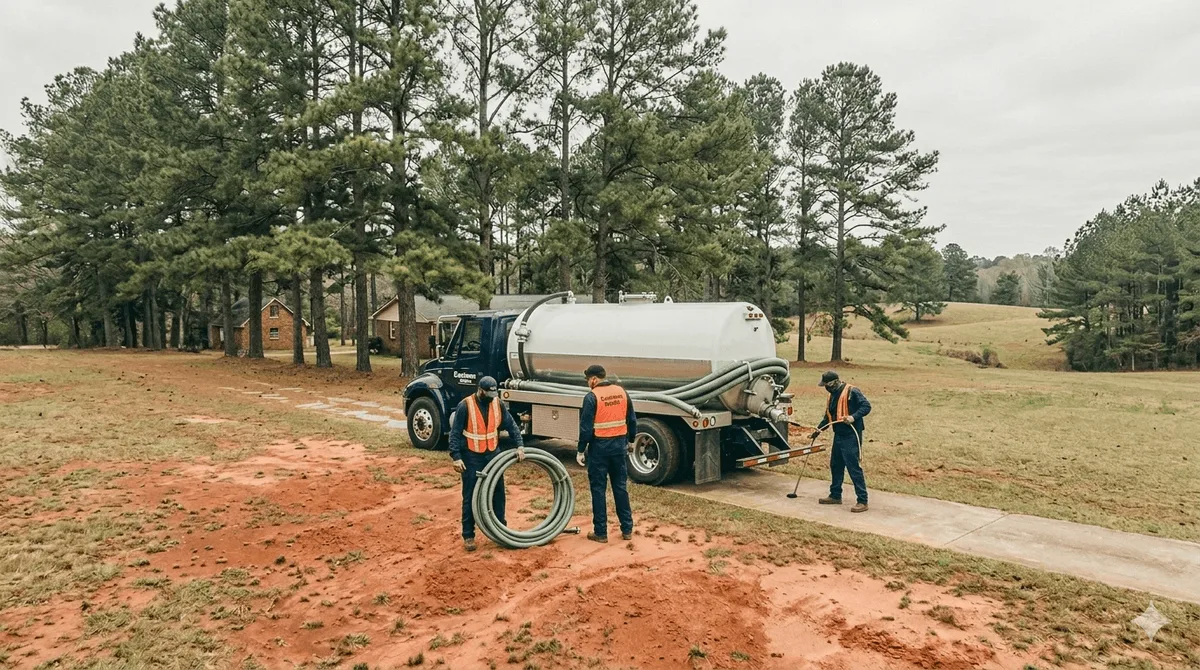
In this area, residential tank pumping typically runs $250–$450 depending on tank size and access. Repair work varies based on what needs fixing — minor baffle work might be under $500, while drain field replacement can run higher. We'll give you an exact number after we see your property — not a ballpark that may not apply.
We serve homeowners and rural property owners throughout Dodge County, Georgia and surrounding communities — from McRae-Helena to Rhine, Chauncey, Chester, and Lumber City.
Rural properties being developed in Dodge County often need land clearing before a septic system can be permitted and installed — Eastman Land Clearing handles forestry mulching and site preparation throughout Dodge County. Many of these same properties also need a well drilled at the same time, and Eastman Well Drilling serves Dodge County property owners for residential well installation; once the site is ready, Eastman Gravel installs and grades gravel driveways for properties across the area.
For most homes here, every 3 to 5 years is the standard interval. Properties with more occupants, garbage disposals, or older concrete tanks may need service sooner — a technician can check sludge levels during any visit to confirm your schedule.
Watch for standing water or soggy patches above field lines, sewage odors in the yard, unusually lush grass growth over the area, and slow drains throughout the house simultaneously. Any combination of these symptoms warrants a professional inspection.
No. Additives don't replace mechanical pumping. Solids accumulate over time regardless of additives — the only way to remove them is with professional pumping equipment. Skipping regular service leads to overflow and field damage.
Most work — new installations, major repairs, and drain field replacements — requires a permit through the Dodge County Environmental Health office. We can walk you through the process as part of your service planning.
Common issues include hairline cracks that widen over time, root intrusion through joints, and corroded baffles. Most problems can be repaired if caught early — extensive cracking or structural shifting may require replacement.
Stop using water immediately and submit an urgent service request. Don't open the tank yourself — septic gases are dangerous in enclosed spaces. Backups typically signal a full tank, blocked outlet, or saturated field.
A well-maintained system typically lasts 20–30 years or more. Drain fields in clay soil may show earlier stress, and concrete tanks generally outlast the field when pumping schedules are kept. Consistent maintenance every 3–5 years is the biggest factor in longevity.
Standard policies usually don't cover routine maintenance or gradual failure. Sudden accidental damage — like a tank collapse — may be covered depending on your terms. Check with your provider before scheduling major work.
Our technician locates and uncovers the tank lids, runs a vacuum hose to remove all liquid and solids, inspects baffles and pipes for damage, and provides a condition report. Most appointments take 1–2 hours once access is clear.
No. Septic tanks contain hydrogen sulfide and methane — both hazardous in enclosed spaces. Professional providers have the equipment and training for safe handling, and waste disposal is regulated by Georgia environmental law.
No pressure, no sales pitch — just tell us what you're dealing with and we'll respond with what we can do and what it would cost.
Email: Email Eastman Septic
We cover all of Dodge County, Georgia — Eastman, Chauncey, Chester, and every surrounding community.
Monitoring Dodge County Environmental Health septic system permit activity for Q1 / Q2 / Q3 2026. New installation permits, repair authorizations, and replacement approvals are tracked through the Georgia Department of Public Health.
Data Forthcoming